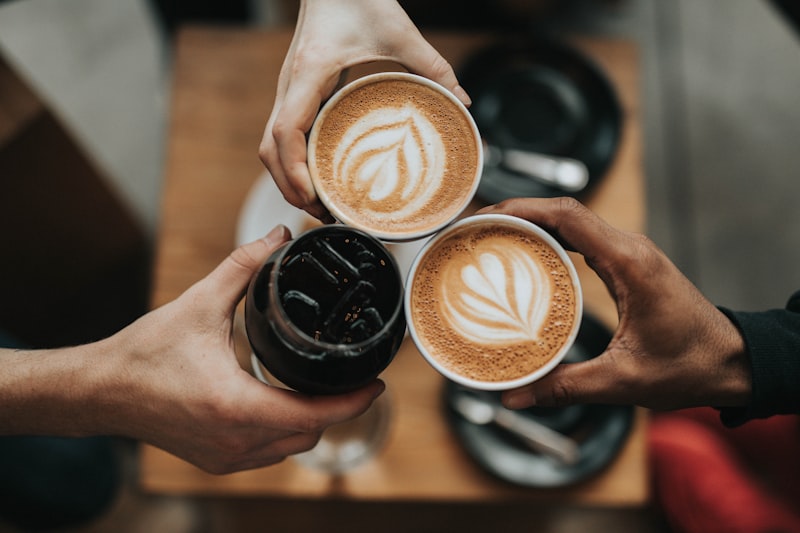
Coffee & Beverage Counters
2 min read
Best Practices for Running a Zero-Complaint Coffee & Tea Counter
Coffee counters fail not because of beans or machines—but because of missing SOPs, peak planning, and consistency controls.
Read article

Practical guides, best practices, and operational insights for facility managers and admins managing corporate food services.
Coffee counters fail not because of beans or machines—but because of missing SOPs, peak planning, and consistency controls.

Most coffee counters don't fail suddenly—they decay through small daily breakdowns.
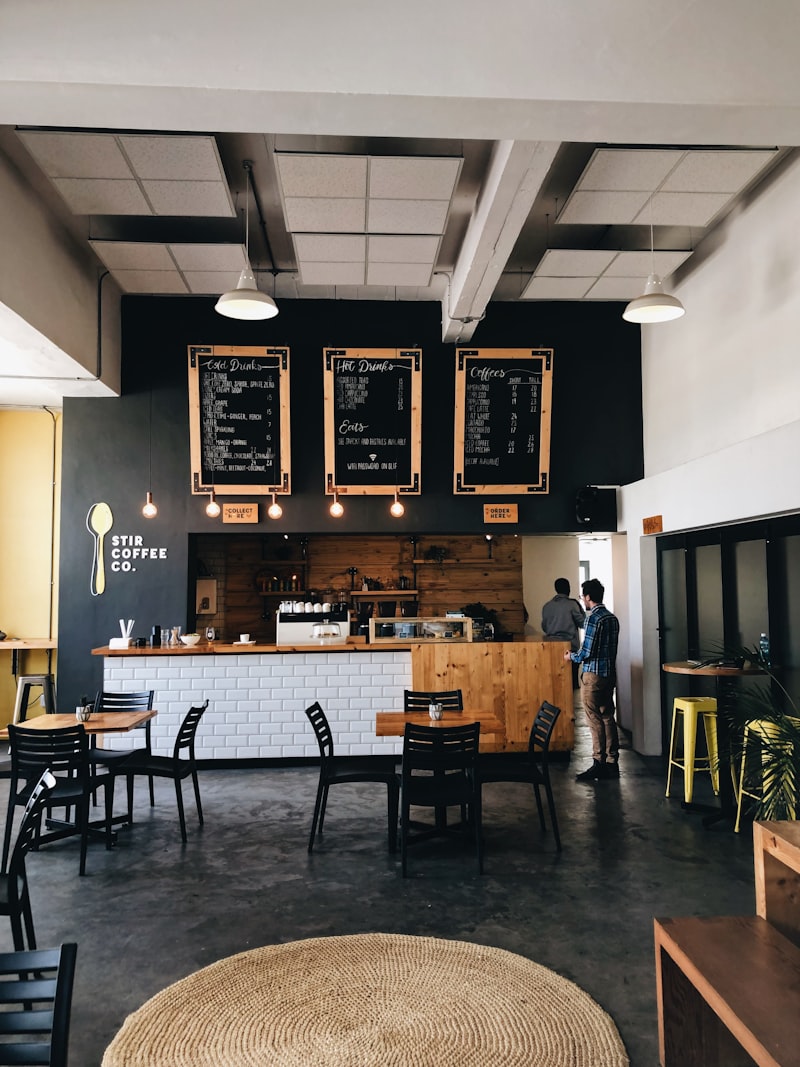
Queues form when systems aren't designed for peaks. Reduce complexity, redesign flow.
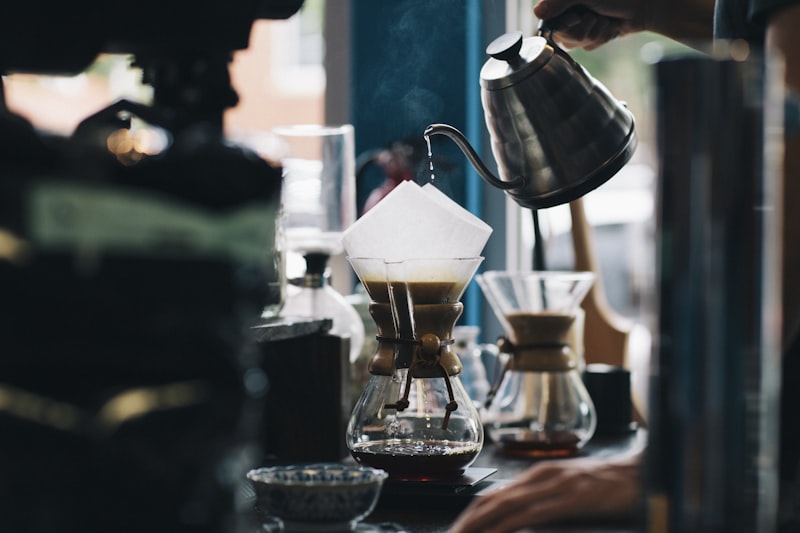
The best corporate beverage menu is small, consistent, and execution-friendly.

Cut wastage through planning and forecasting—not by cutting quality.
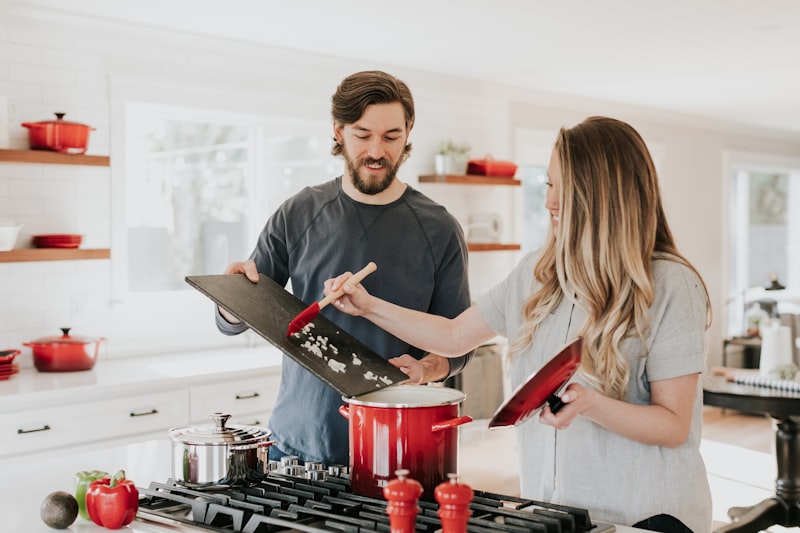
Admins should know the hygiene checkpoints that signal a serious vendor.

Surprise inspections reveal daily habits. Build systems that make compliance routine.

Great cafeterias are run by opening checks, mid-shift controls, and closing audits.

Employees forgive average food. They don't forgive unpredictable food.
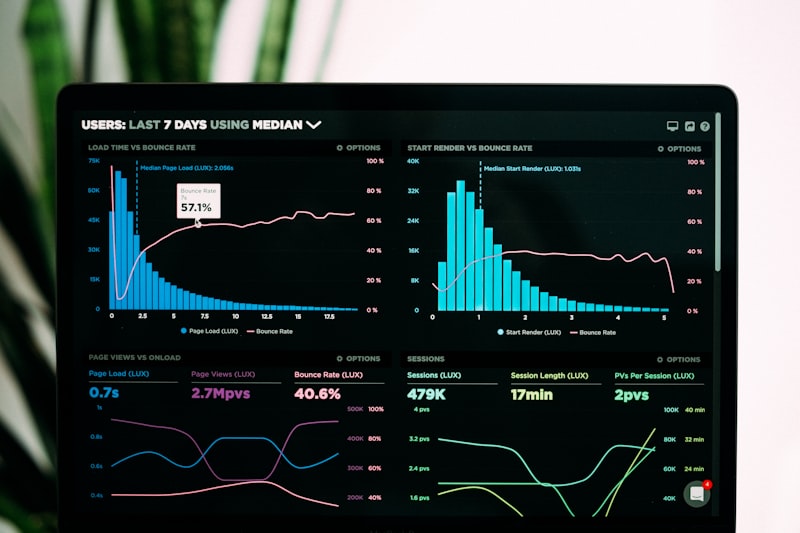
Most failures give signals early: falling participation, repeated complaints, absenteeism.

Price matters, but reliability, reporting, and backup planning matter more.

Spot weak vendors early: missing SOPs, no escalation matrix, inconsistent reporting.
SLAs protect employee experience and admin time. Define response times and compliance.
Low quotes often hide future costs: escalations, rework, churn, and dissatisfaction.

The right questions reveal operational maturity: backup plans, complaint closure, hygiene.
Most losses come from quiet operational leakage: overproduction, poor staffing, weak tracking.
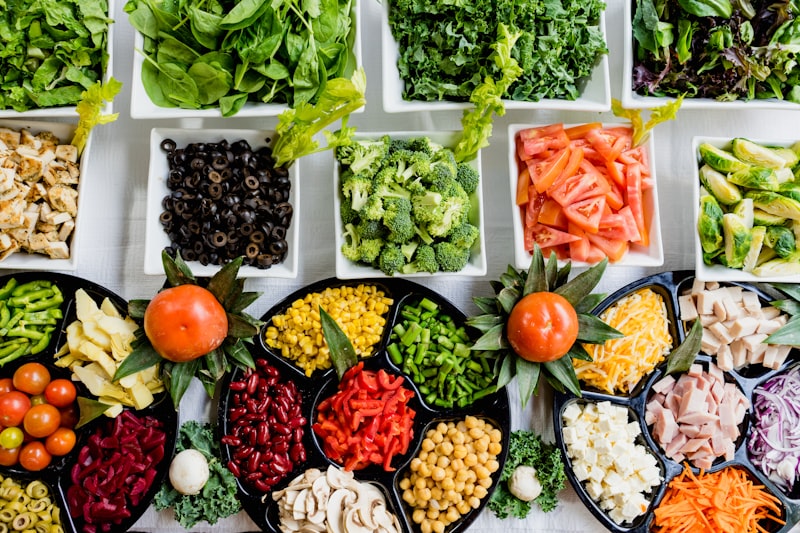
Reduce wastage through timing and forecasting—so employees feel the same experience.
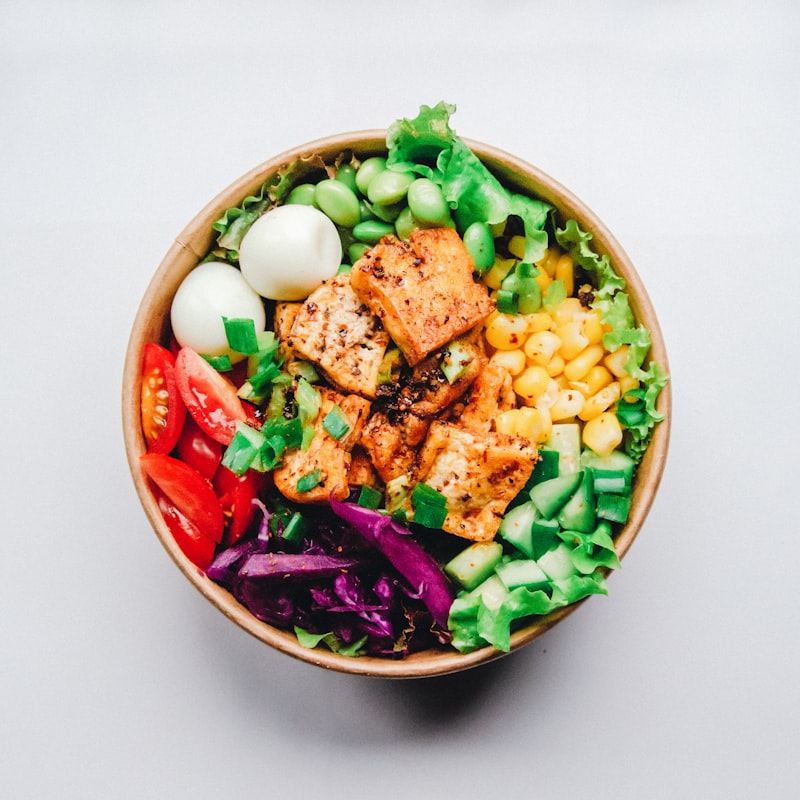
Portion control works when it feels fair. Use standardized tools and refill-friendly flow.
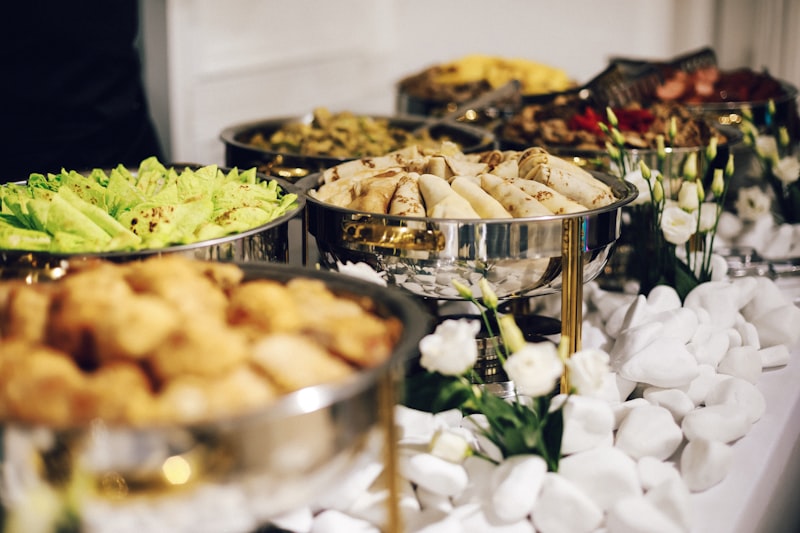
Buffets feel generous but often increase wastage. Controlled service improves predictability.
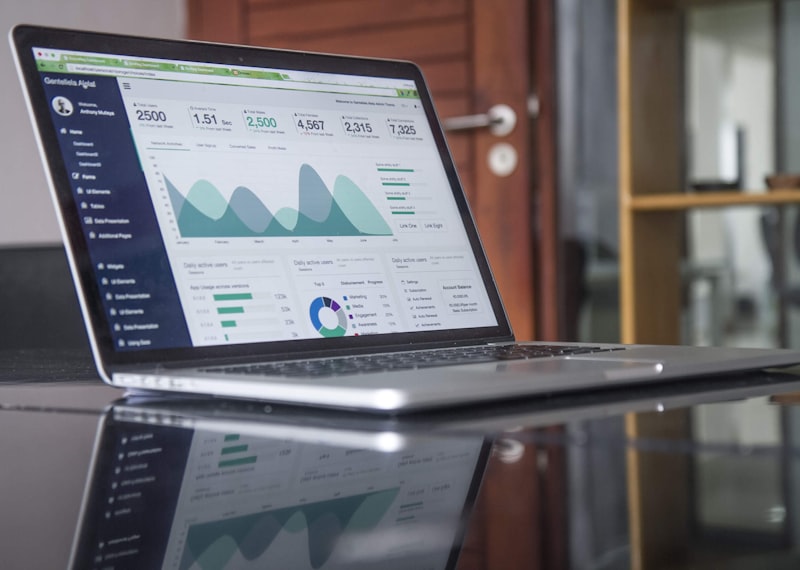
Cost efficiency starts with layout and workflow. Reduce movement, simplify prep.

Cloud kitchens reduce on-site risk while improving consistency and hygiene control.
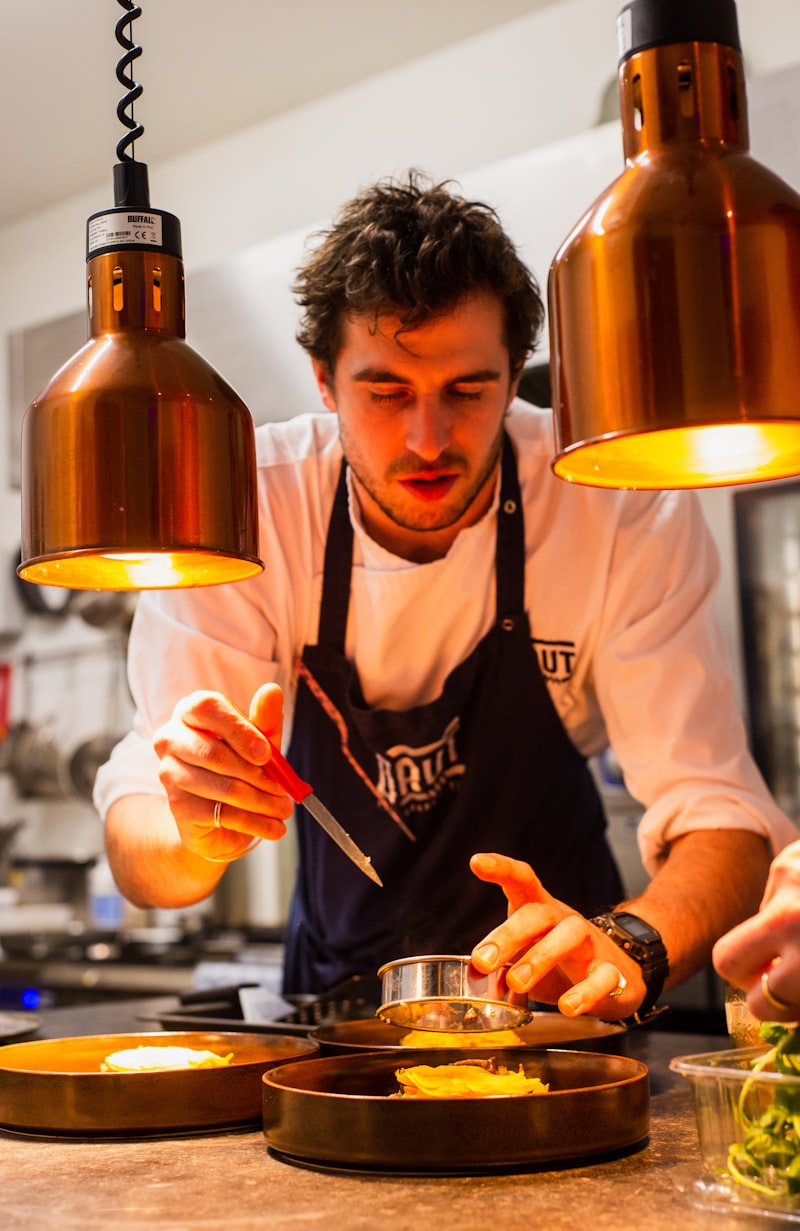
On-site cooking feels reassuring, but central kitchens often win on consistency.
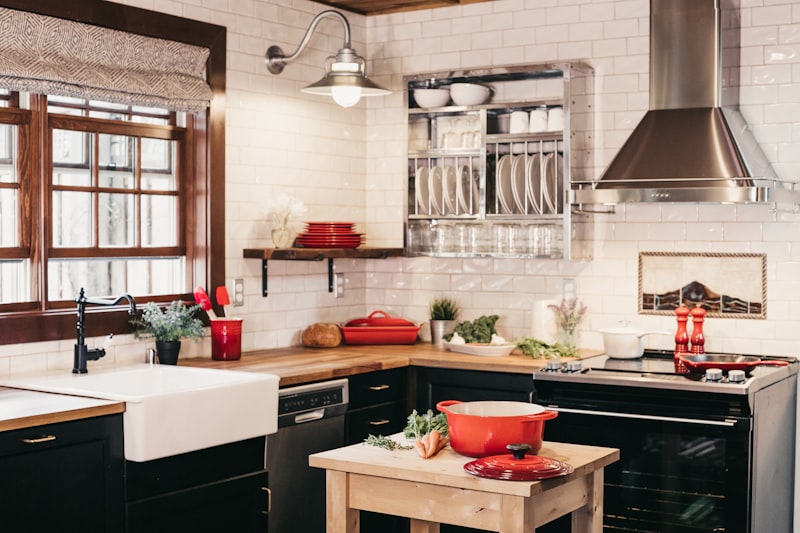
Central kitchens deliver repeatability: batch SOPs, temperature controls, quality audits.
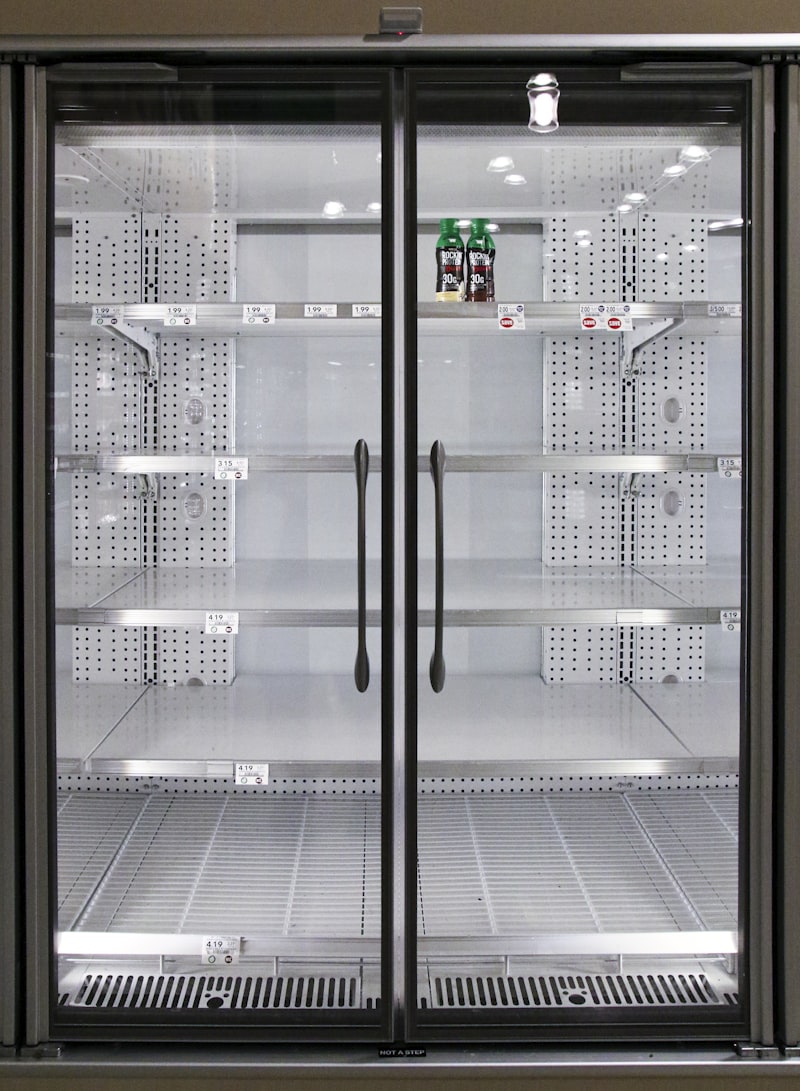
Quality often drops after cooking—during holding and transit.
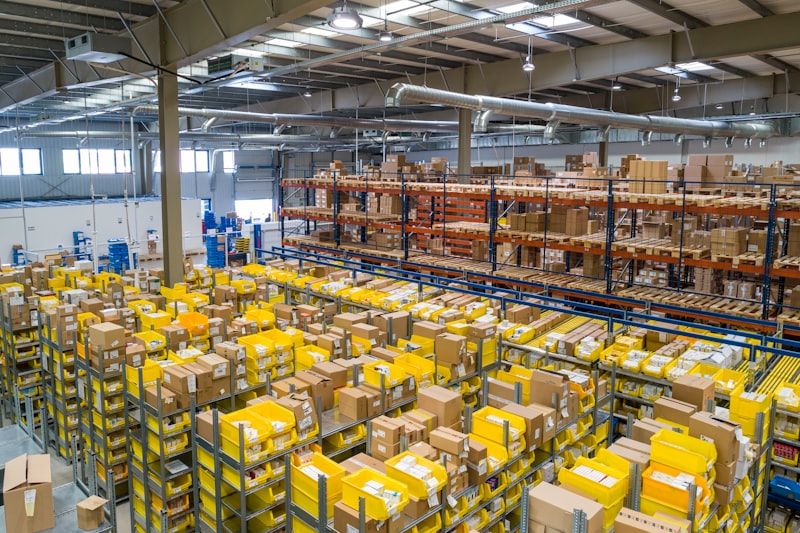
Daily supply reliability depends on route planning, buffers, and contingency planning.
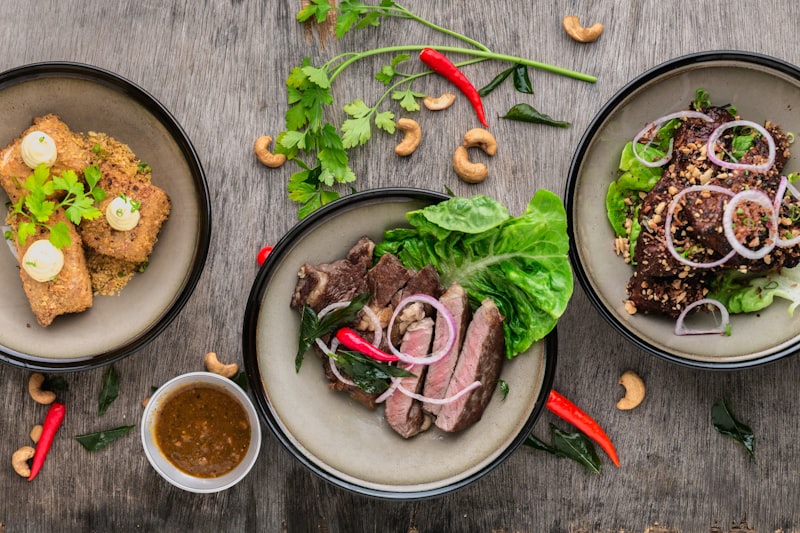
Food influences energy, mood, and afternoon focus.

Admins value closure more than explanations. A closed-loop system prevents repeats.
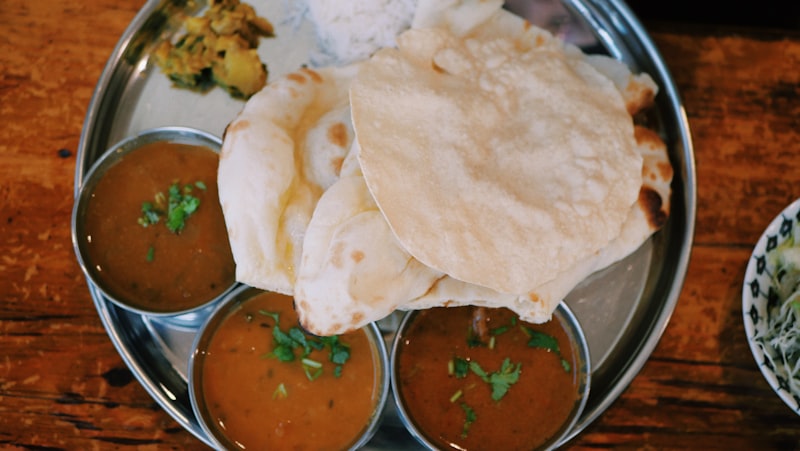
Diverse teams need inclusive menus—without operational complexity.
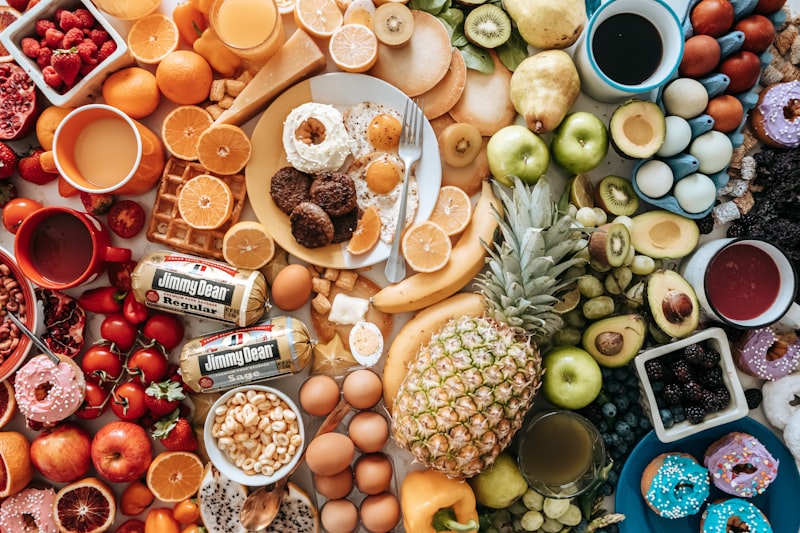
Seasonal menus work when changes are gradual and teams are trained.

Mature partners focus on predictability, risk reduction, and continuous improvement.